Water-based vs plastisol is the first real choice in any screen print, and it changes how the shirt feels the day you put it on and how it looks a hundred washes later. We print with both in our Orlando studio. So this guide explains, in plain words, what each ink does and how we pick between them.
Here is the short answer. Water-based ink soaks into the cotton and feels like part of the fabric. Plastisol sits on top, stays bright on dark shirts and holds sharp edges. Neither one is better in general. It depends on the garment, the design and the feel you want.
What the two inks actually are
Plastisol is a PVC-based ink that stays wet on the screen until heat cures it. That is why printers love it: you can leave it in a screen for hours and it will not dry out. When the shirt goes through the dryer, the ink gels into a flexible film that grips the fibers.
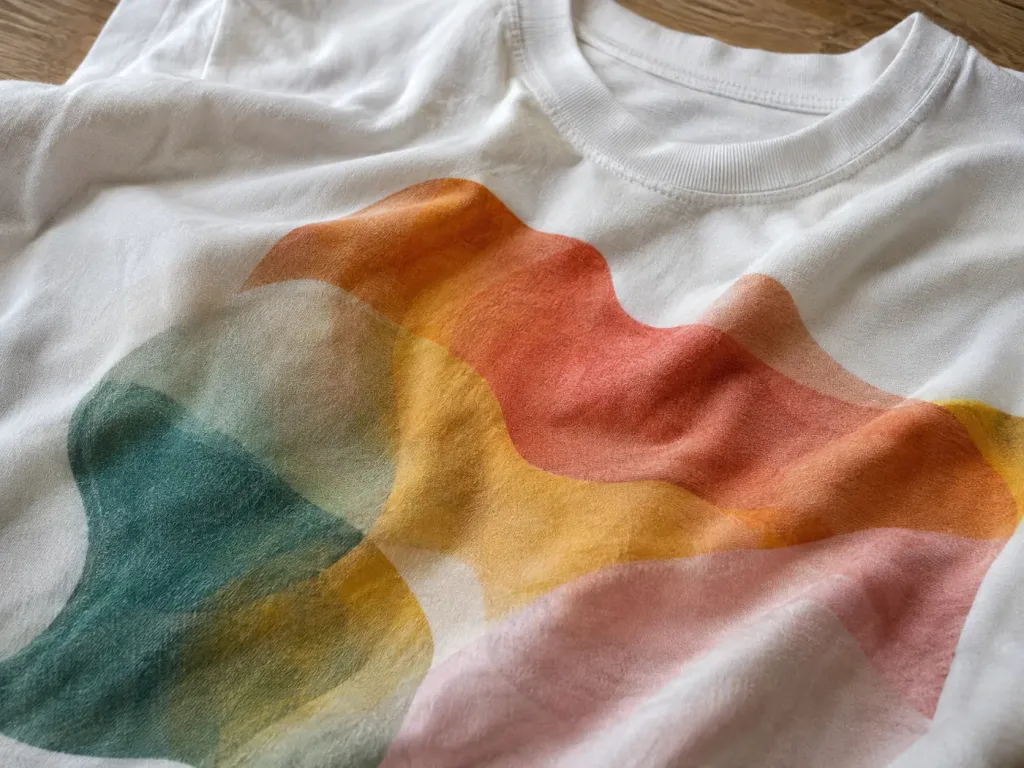
Water-based ink uses water as the carrier for the pigment. Once it lands on the shirt, the water has to evaporate and then the ink has to cure. The pigment ends up dyed into the fibers rather than layered on top of them. As a result, you can run your hand over a water-based print and barely feel it.

Water-based vs plastisol at a glance
| Question | Water-based | Plastisol |
|---|---|---|
| How it feels | Soft, almost nothing to the touch | A smooth, slightly raised layer |
| Best on | White, natural and light cotton | Dark garments and bright color |
| Look | Matte, lived in, a little vintage | Opaque, saturated, crisp edges |
| Fine detail | Very good on a finer mesh | Very good, holds tight lines |
| On a black shirt | Needs a discharge base or it sinks in | Covers it, often with a white underbase |
| Over time | Softens and fades gently with washing | Stays bright; heavy layers can crack with abuse |
How each ink feels on the shirt
Feel is the part people notice first, even if they never think about ink. A big plastisol print on a light tee can feel like a patch. In contrast, the same design in water-based ink moves with the fabric, and it breathes on a hot Florida afternoon.
That said, plastisol has come a long way. A well-mixed plastisol on the right mesh is thin and flexible. The heavy, rubbery feel people remember usually comes from too many layers or too coarse a screen, not from the ink itself.
Color, opacity and dark garments
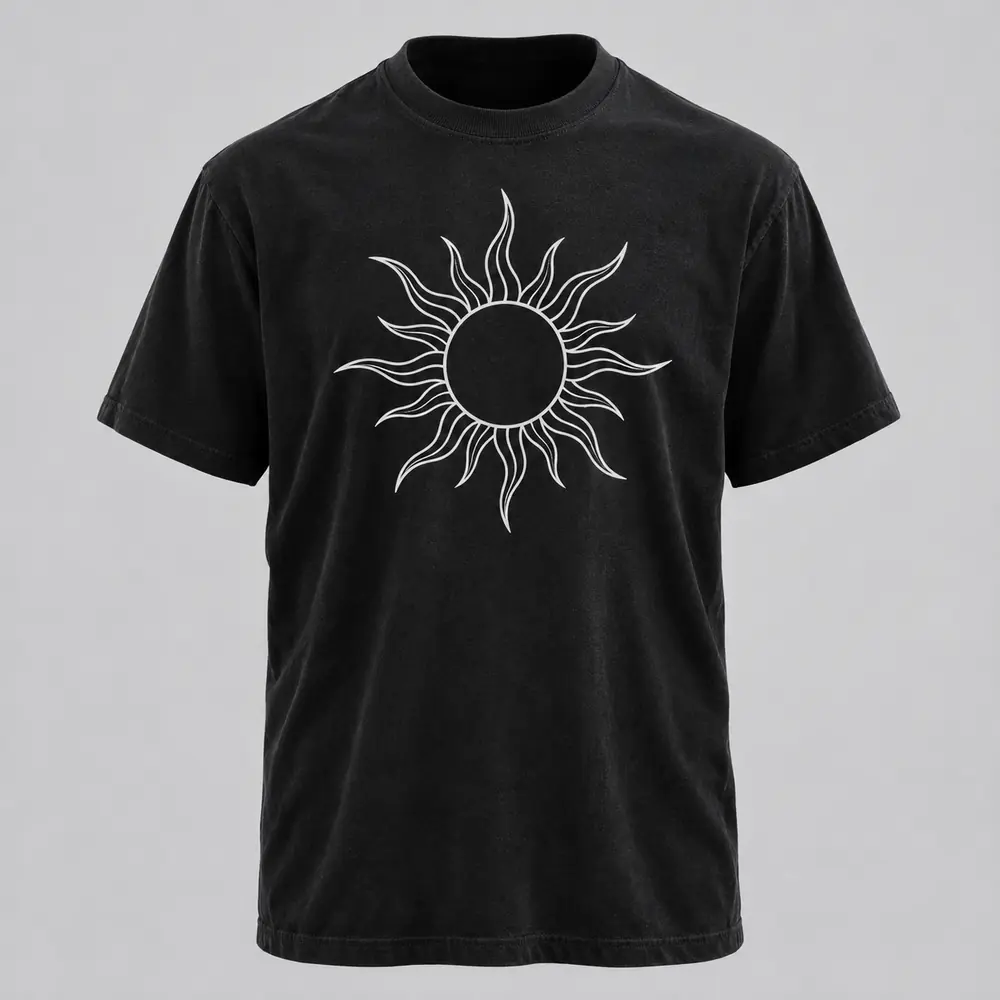
This is where plastisol earns its place. Plastisol is opaque, so a white or bright color lands on a black hoodie and stays white. For very bright colors on dark fabric, we print a thin white layer first, called an underbase, then the colors on top.
Water-based ink is more transparent. On a white or natural tee that is a strength, because the colors look clean and true. On a dark shirt, though, a plain water-based ink would mostly disappear into the fabric. The fix there is discharge ink, which we cover in our guide to specialty prints.
Durability: what washing does to each
Both inks last when they are cured properly. That word, cured, matters more than which ink you pick. Plastisol typically needs to reach around 320°F all the way through the ink layer to cure, according to ScreenPrinting.com’s cure guide. Water-based ink needs the water driven out first, then heat. An under-cured print of either kind is the one that washes away.
After that, they age differently. Water-based prints soften and fade a little with every wash, the way a favorite tee does. Plastisol stays bright for a long time, but a thick layer can crack if it gets ironed or dried on high heat. Our guide to washing screen printed shirts covers how to keep either one looking good.
Detail and fine lines
Both inks can hold fine detail. The screen matters as much as the ink. Plastisol usually goes through a coarser mesh for bold work and underbases, while water-based ink likes a finer mesh, often around 156 to 230 threads per inch, as Printavo’s mesh guide explains. A finer mesh lets less ink through, which keeps thin lines thin.
So if your design has hairline details, tell us. We will choose the mesh and the ink together, not one after the other.
Water-based vs plastisol: how we choose for your job
When a custom run comes in, we look at three things before we recommend an ink. First, the garment color. Then, the design: big solid areas or thin lines, two colors or six. Finally, the feel you are after, because a band tee and a café uniform want different things.
- Light or natural tee, soft feel wanted: water-based, almost every time.
- Black or navy garment, bright colors: plastisol, often over a white underbase.
- Dark garment, soft vintage look: discharge, if the shirt is the right kind of cotton.
- Fleece hoodies: plastisol for bold color, water-based for a tonal print on light fleece.
In short, water-based vs plastisol is not a contest. It is a match between ink and garment. Every proof we send names the ink we suggest and the reason, and you can always ask us to switch.
Three myths about water-based vs plastisol
“Water-based prints wash out fast”
A properly cured water-based print does not wash out. It softens and fades slowly, which is a look many people choose on purpose. The prints that disappear after a few washes are the ones that never fully cured, and that can happen with plastisol too.
“Plastisol always feels like plastic”
Only when it is laid down too thick. A single, even pass through the right screen gives a flexible print you stop noticing after the first wear. The heavy feel comes from extra layers, coarse mesh or a giant solid block of ink.
“You have to pick one ink for the whole order”
You do not. A run can mix garments, and each one can get the ink that suits it. For example, a band might print water-based on natural tees and plastisol on black hoodies with the same artwork. That is one of the most useful things to know in the water-based vs plastisol debate: the answer can be both.
What it means for price
The ink itself is rarely what moves the price. Screens, colors and quantity do. A design that needs a white underbase on a dark shirt uses one more screen, so it costs a little more. We explain the full math in how much screen printing costs, and you can try numbers in the price calculator on our home page.
Questions to ask any print shop
Whoever prints your shirts, a few questions will tell you a lot. First, ask which ink they suggest for your garment and why. A good shop has a reason, not a habit. Then ask how they check the cure. Finally, ask to see a printed sample on the same blank, because ink looks different on every fabric.
If a shop only offers one ink for every job, that is worth knowing too. The water-based vs plastisol decision should follow the shirt, not the shop’s convenience.
Our take
If you are printing on our natural heavyweight tee, go water-based. It suits that fabric and it feels like it was always there. On the other hand, if you are printing a bold logo on a navy fleece hoodie, plastisol will look sharper and last longer.
Still not sure? Send us the design through our custom run form. We will reply with a proof, the ink we would use and why.
Water-based vs plastisol: quick answers
Which lasts longer, water-based or plastisol?
Both last for years when they are fully cured. Water-based prints soften and fade slowly with washing, while plastisol stays bright longer but can crack if it is ironed or dried on high heat.
Can you print water-based ink on a black shirt?
Plain water-based ink mostly disappears into dark fabric. For a soft print on a dark cotton shirt we use discharge ink instead, or plastisol for bright, opaque color.
Is plastisol bad for the environment?
Plastisol is PVC-based and needs careful handling and cleanup, while water-based inks avoid PVC. We use each where it performs best and handle both responsibly in the studio.
Can one order use both inks?
Yes. A run can mix garments, and each garment can get the ink that suits it, for example water-based on natural tees and plastisol on black hoodies with the same artwork.